The Hidden Source of Laundry Odor: How to Clean the Detergent Dispenser on Your Washing Machine
September 18, 2026
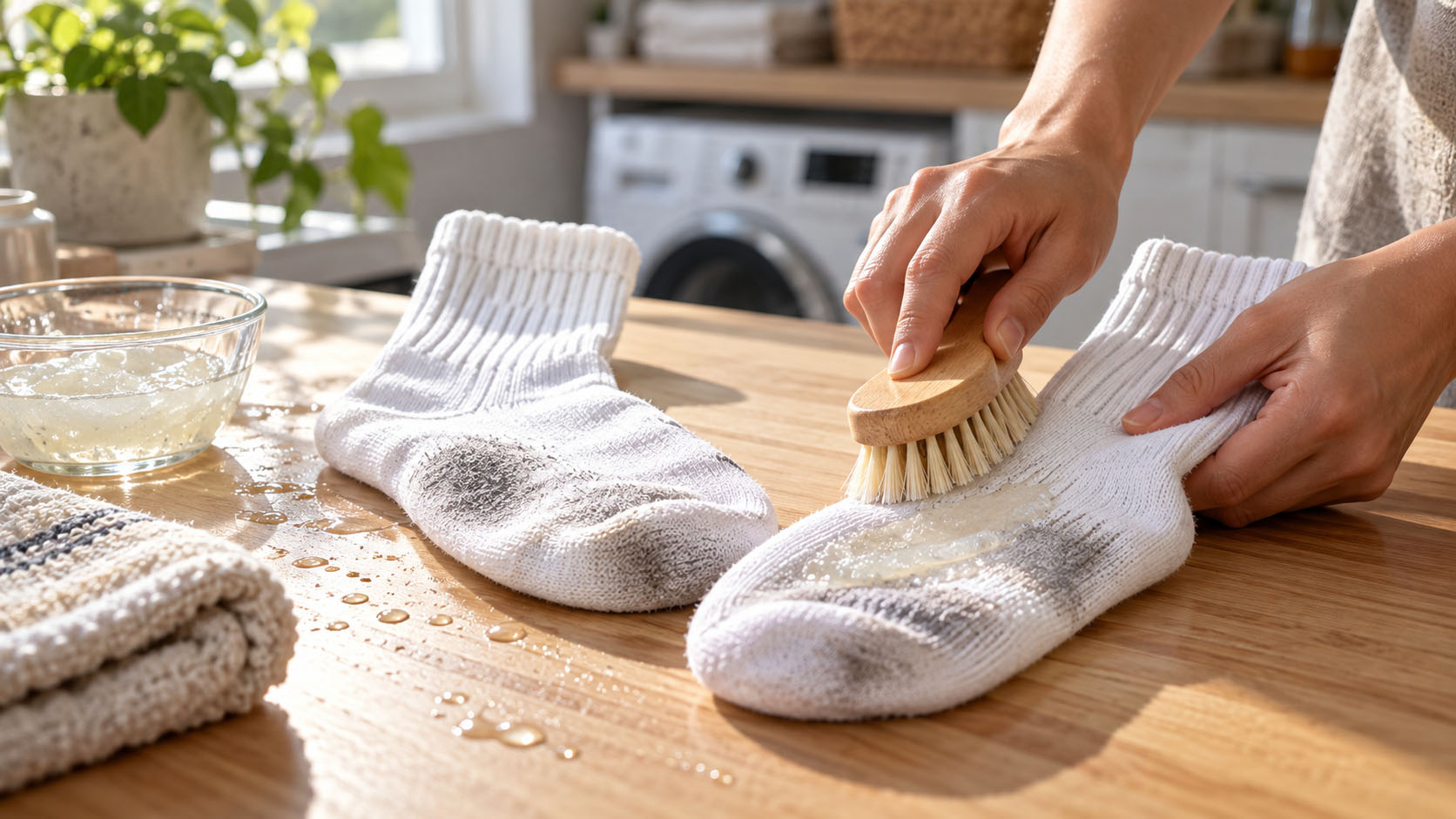
How to Make Dingy White Clothes Bright Again Without Damaging the Fabric
September 22, 2026Fabric Care
We Asked Laundry Pros How Often You Should Wash Your Throw Blankets in Fall and They All Agreed
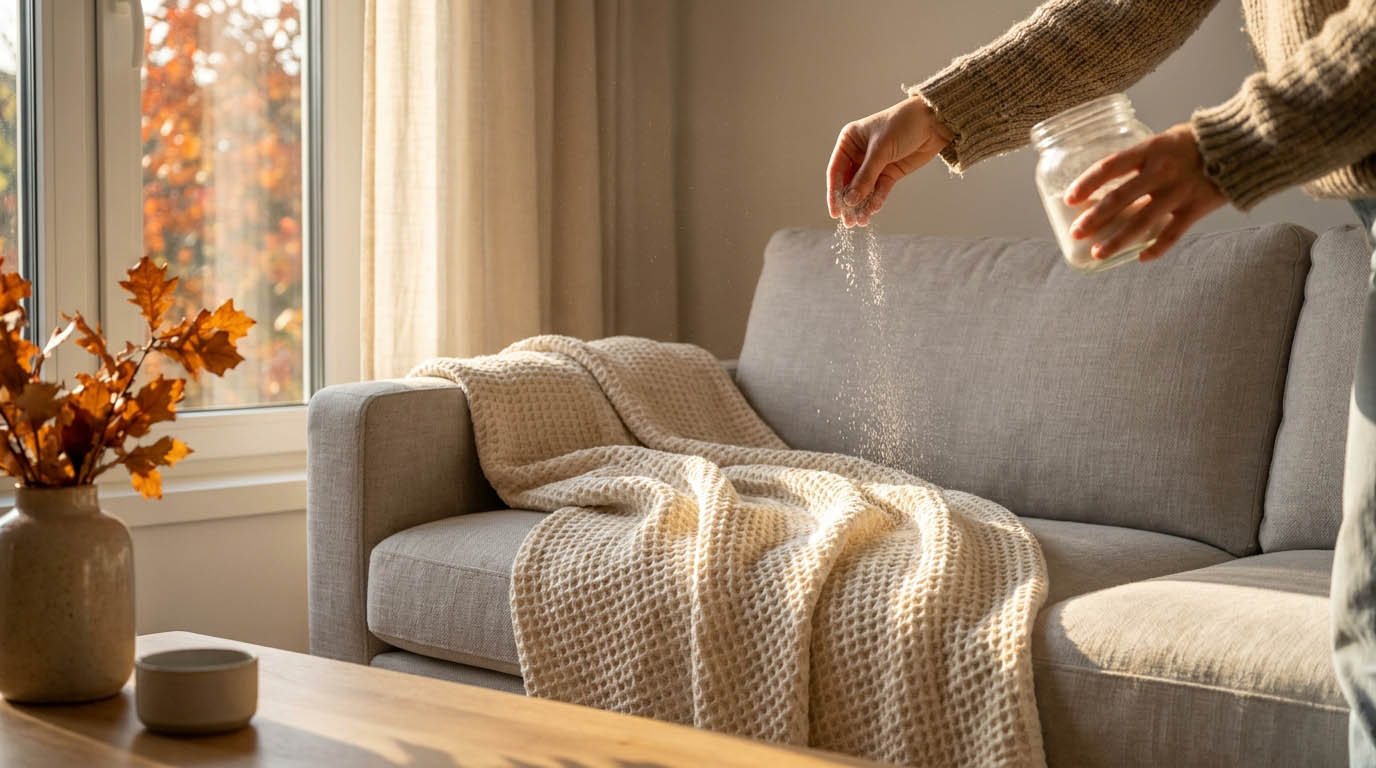
As temperatures drop, cozying up on the couch under a favorite throw blanket becomes an everyday fall ritual. Whether draped over an armchair or pulled up during movie nights, these seasonal layers instantly elevate a home’s comfort.
However, because throw blankets are rarely used in the bedroom and do not feel like direct clothing, they are frequently forgotten on laundry day. To settle the debate, leading textile and laundry care specialists were asked how often these cozy essentials actually need a cycle—and their verdict was unanimous.
1. The Expert Standard: Every Two to Four Weeks
Under typical daily use, washing your fall throw blankets every two to four weeks is the ideal balance between maintaining hygiene and protecting fabric longevity. Even if a blanket looks visually clean, regular contact with skin transfers natural body oils, sloughed skin cells, and ambient dust. Keeping to a bi-weekly to monthly cadence stops these invisible elements from oxidizing into deep-set stains and fiber stiffness.
2. When to Increase Frequency: High-Traffic and Snack Days
Why it is recommended: If your throw blanket doubles as a landing pad for pets or accompanies weekly couch snacking, experts advise bumping washes up to once a week or every ten days. Food crumbs, beverage splashes, and pet dander attract dust mites and trap odors deep inside synthetic weaves (like sherpa and fleece). Spot-treating spills immediately and washing more frequently prevents permanent grease marks.
3. Preserving Fabric Loft and Eliminating Static Cling
-
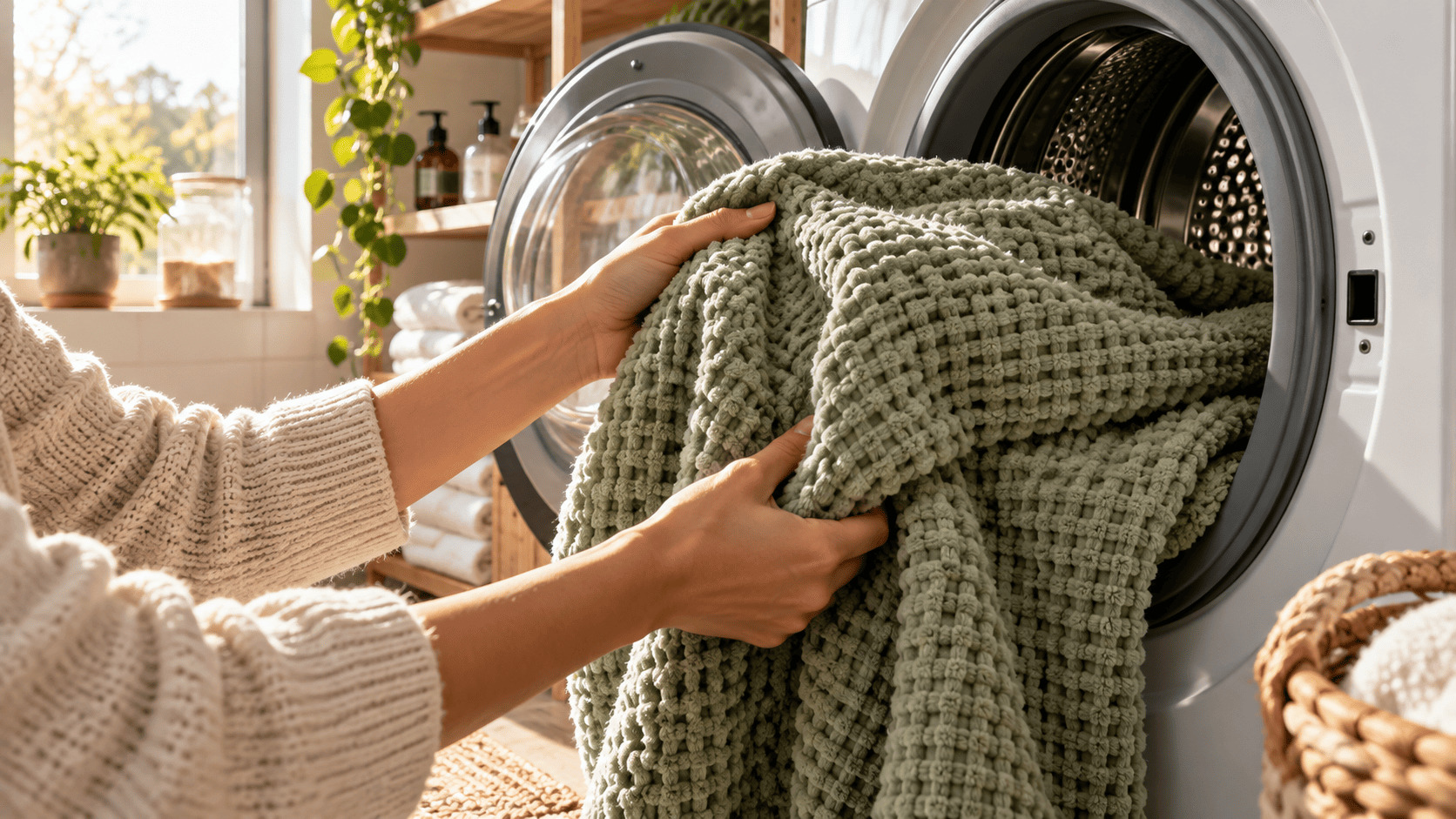
Softening and Fabric Care: Throw blankets are prone to pilling and stiffening when exposed to high heat or aggressive detergents. To preserve their cloud-like plushness, laundry pros recommend washing them in cold water on a delicate cycle using a mild, dye-free liquid detergent. Swapping chemical fabric softeners for half a cup of distilled white vinegar in the rinse dispenser strips mineral residues and prevents synthetic fibers from becoming coarse or statically charged.
4. Low-Heat Tumbling to Avoid Fiber Meltdown
Hygiene and Drying Care: Most fall throws are made from acrylic, microfiber, or fleece, which are heat-sensitive synthetic materials. Tumbling on high heat can singe or melt the delicate fiber tips, permanently ruining the blanket’s soft texture. The expert-approved method is low-heat tumble drying with two wool dryer balls to naturally separate the folds, circulate airflow, and finish with a fresh, airy drape.
The Ultimate Convenience Solution: When Time is of the Essence
The Transition: Between keeping up with daily apparel, managing bulky autumn textiles, and delicate fabric care routines, keeping every throw blanket in the house freshly sanitized can quickly turn into hours of laundry maintenance.
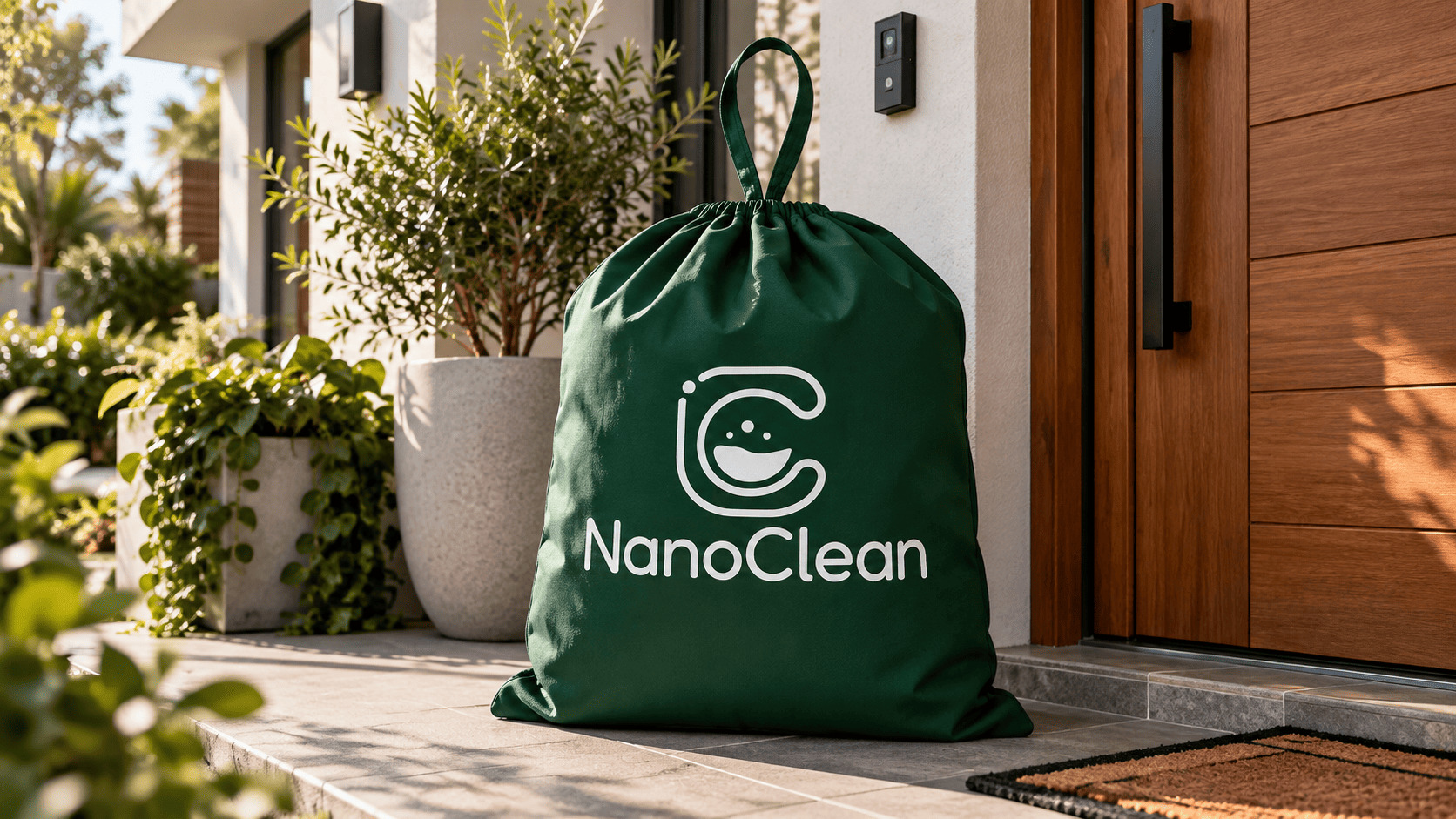
The Pitch: That is where NanoClean delivers effortless care. NanoClean is a premium laundry valet service that picks up your textiles directly from your front door, treats every fabric using dermatologist-approved, hypoallergenic formulas, and returns them fresh, cloud-soft, and neatly packaged. Skip the washer overload and seasonal chores completely with their flat-rate “Unlimited Bag” designed for seamless living.