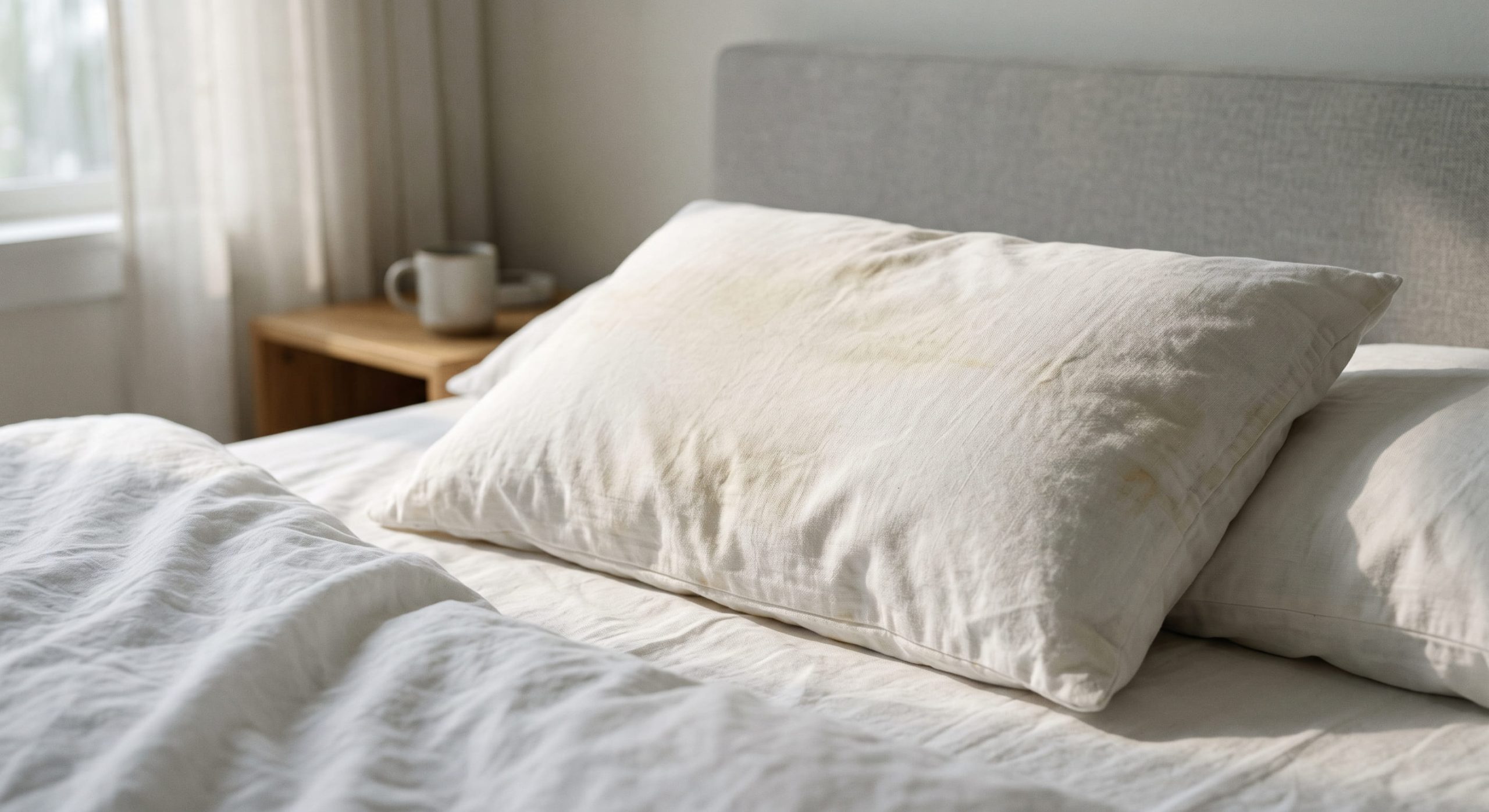
Have you ever pulled a favorite white t-shirt out of the wash, only to discover it’s turned a sad shade of pink? Or perhaps your favorite black jeans have faded to a dull grey after just a few months? The secret to preserving your wardrobe lies not in an expensive detergent, but in the art of proper sorting and fabric care.
In this comprehensive guide, we’ll break down exactly how to sort colors, what never to mix, and the best practices for washing every type of fabric.
1. The Golden Rules of Color Sorting
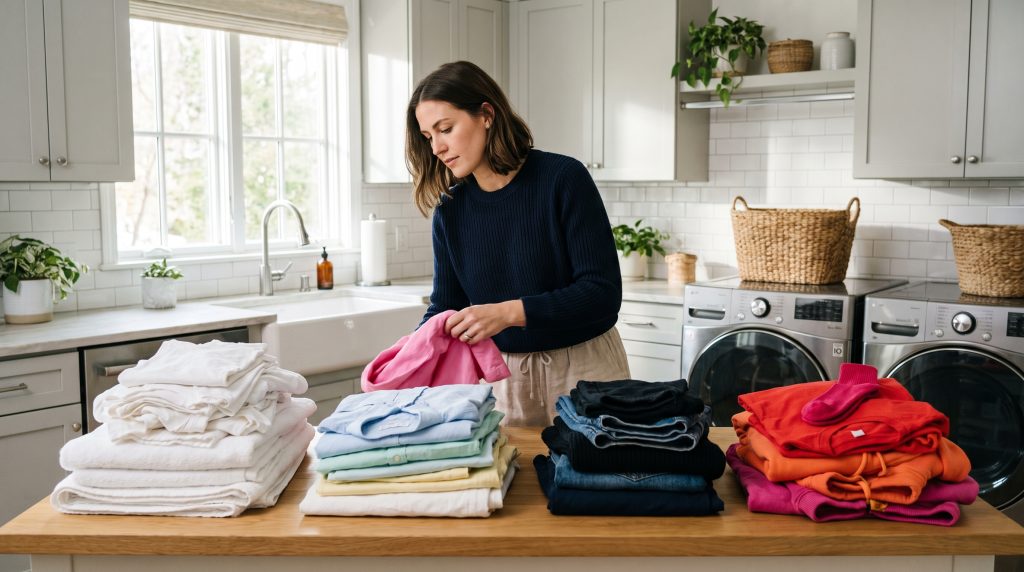
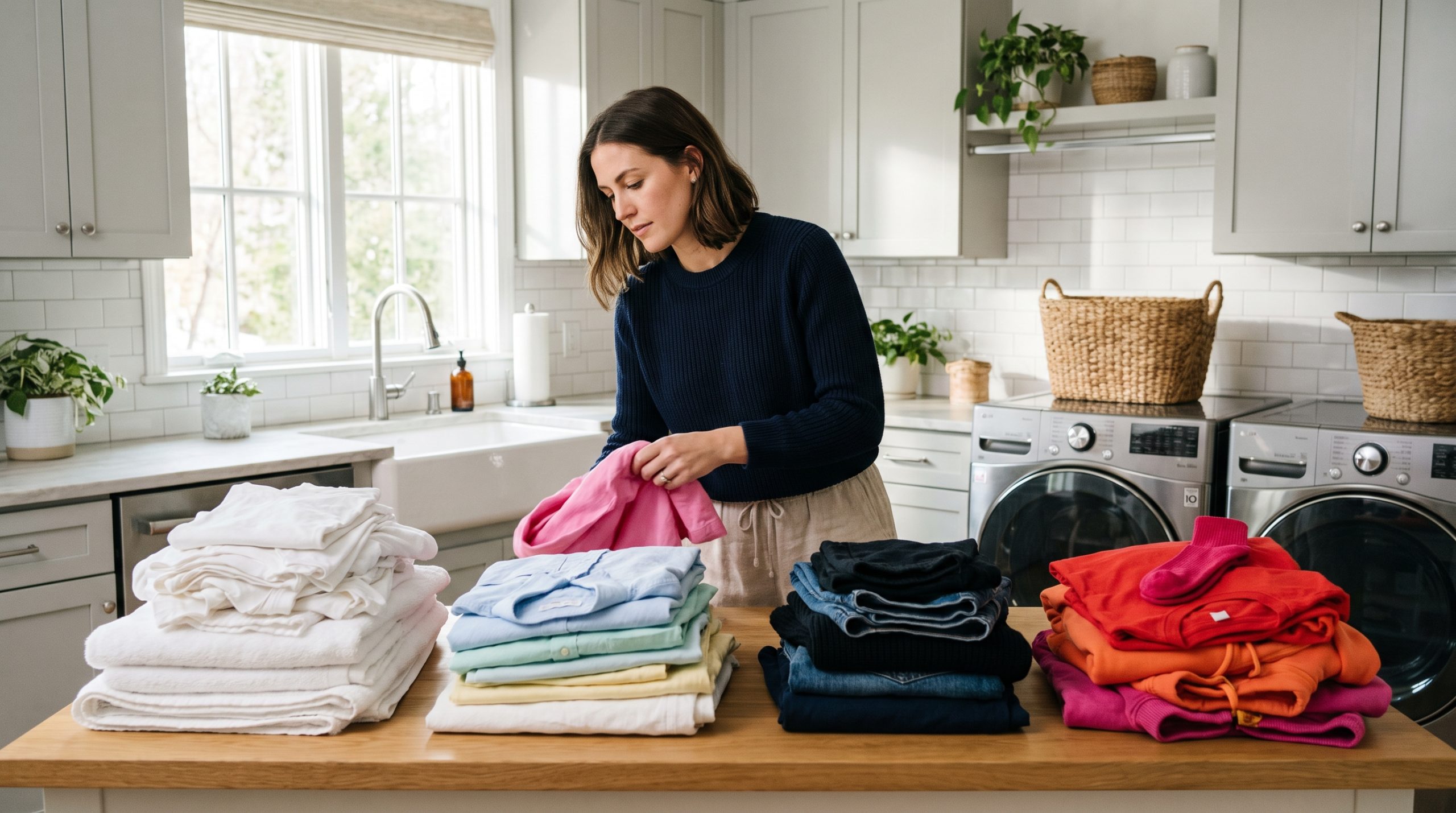
The biggest mistake most people make is tossing everything into a single pile. To keep colors vibrant and whites crisp, you need to separate your laundry into at least three to four distinct piles.
Bright Whites: This pile is for pure white items only—t-shirts, socks, underwear, and white sheets. Never mix anything with a hint of color here, not even a light grey.
Lights and Pastels: This includes soft pinks, baby blues, light greys, and pale yellows. These can be washed together, as they are unlikely to bleed heavily onto each other.
Darks: Black, navy blue, dark brown, and deep grey. These items are prone to fading and can bleed onto lighter fabrics. Washing them together prevents them from ruining lighter clothes and helps them retain their depth of color.
Brights and Reds: Red, vibrant orange, bright purple, and hot pink. Red dye is notoriously unstable and prone to bleeding. Always wash these separately or only with other similar warm, bright colors.
2. Colors You Should NEVER Mix
If you’re in a rush, it can be tempting to consolidate loads, but combining certain colors is a recipe for disaster:
Reds with Whites: The classic mistake. A single red sock can turn an entire load of white shirts pink.
New Denim with Anything Light: Unwashed or new denim jeans contain a massive amount of excess indigo dye. This dye will easily transfer to lighter fabrics, a phenomenon known as “crocking.” Always wash new jeans separately for the first few cycles.
Neon Colors with Pastels: Neon dyes often bleed. Keep them away from your delicate pastel garments.
3. Understanding Fabric Types and Washing Techniques
Beyond color, the type of fabric dictates how an item should be washed.
Cotton
Cotton is durable and generally easy to care for, but it is prone to shrinking.
How to wash: Use warm or cold water to prevent shrinking. Whites can tolerate hot water if heavily soiled, but cold is best for preserving color.
Synthetics (Polyester, Nylon, Spandex)
These fabrics are common in activewear and everyday clothing. They hold color well but can hold onto odors and oils.
How to wash: Wash in warm or cold water. Avoid hot water, which can break down the elastic fibers (like spandex) and cause permanent wrinkles.
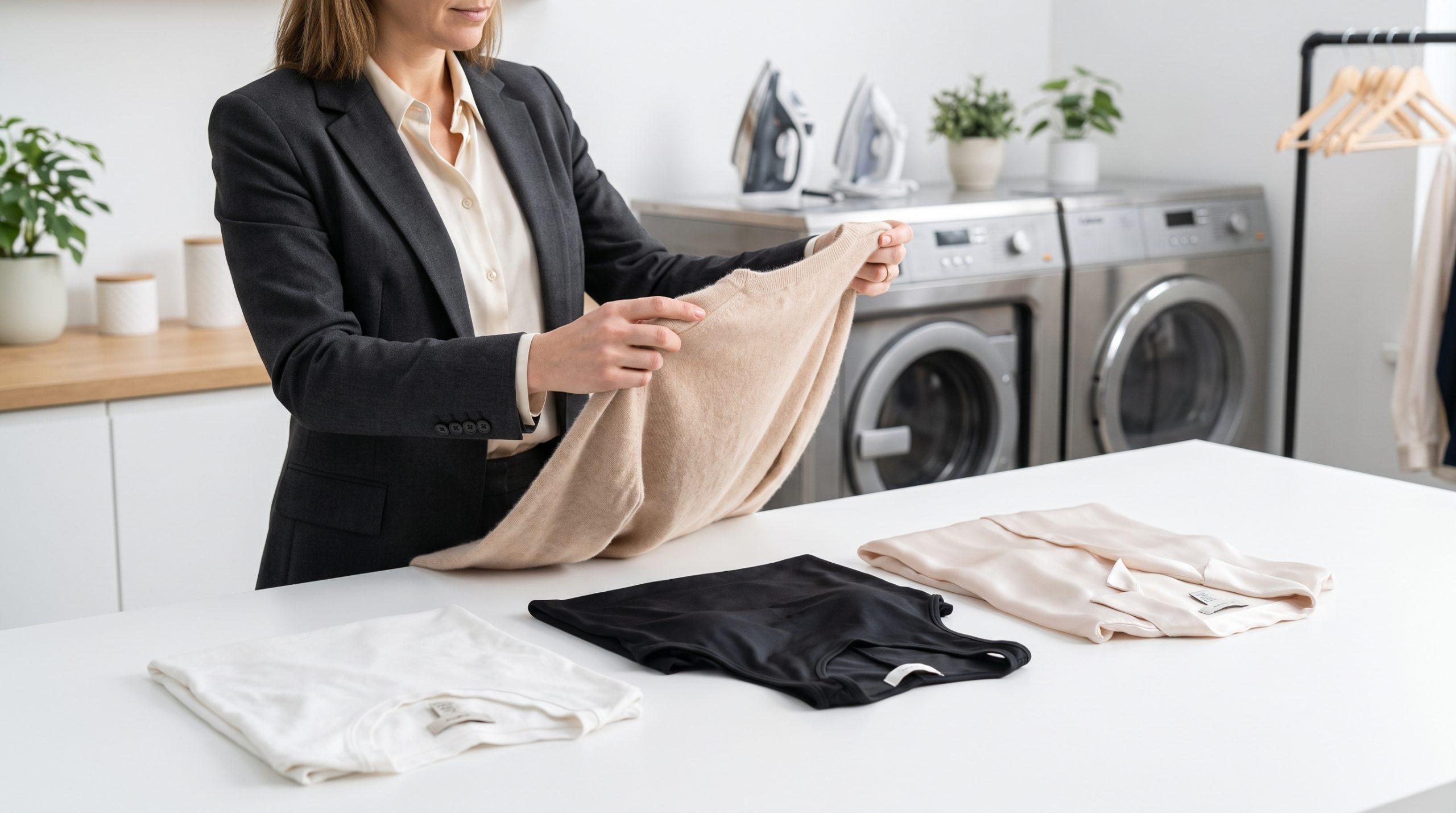
Wool and Cashmere
These natural animal fibers are incredibly delicate. Agitation and heat will cause them to shrink and felt.
How to wash: Hand wash in cold water using a gentle wool-specific detergent. Never wring them out; instead, lay them flat on a clean towel, roll the towel to press out moisture, and air dry flat.
Silk
Silk is luxurious but fragile, prone to water spots and color loss.
How to wash: Many silks require dry cleaning. If the label says hand-washable, use cold water and a very mild detergent. Do not soak for more than a few minutes.
4. Pro Tips for Preserving Color
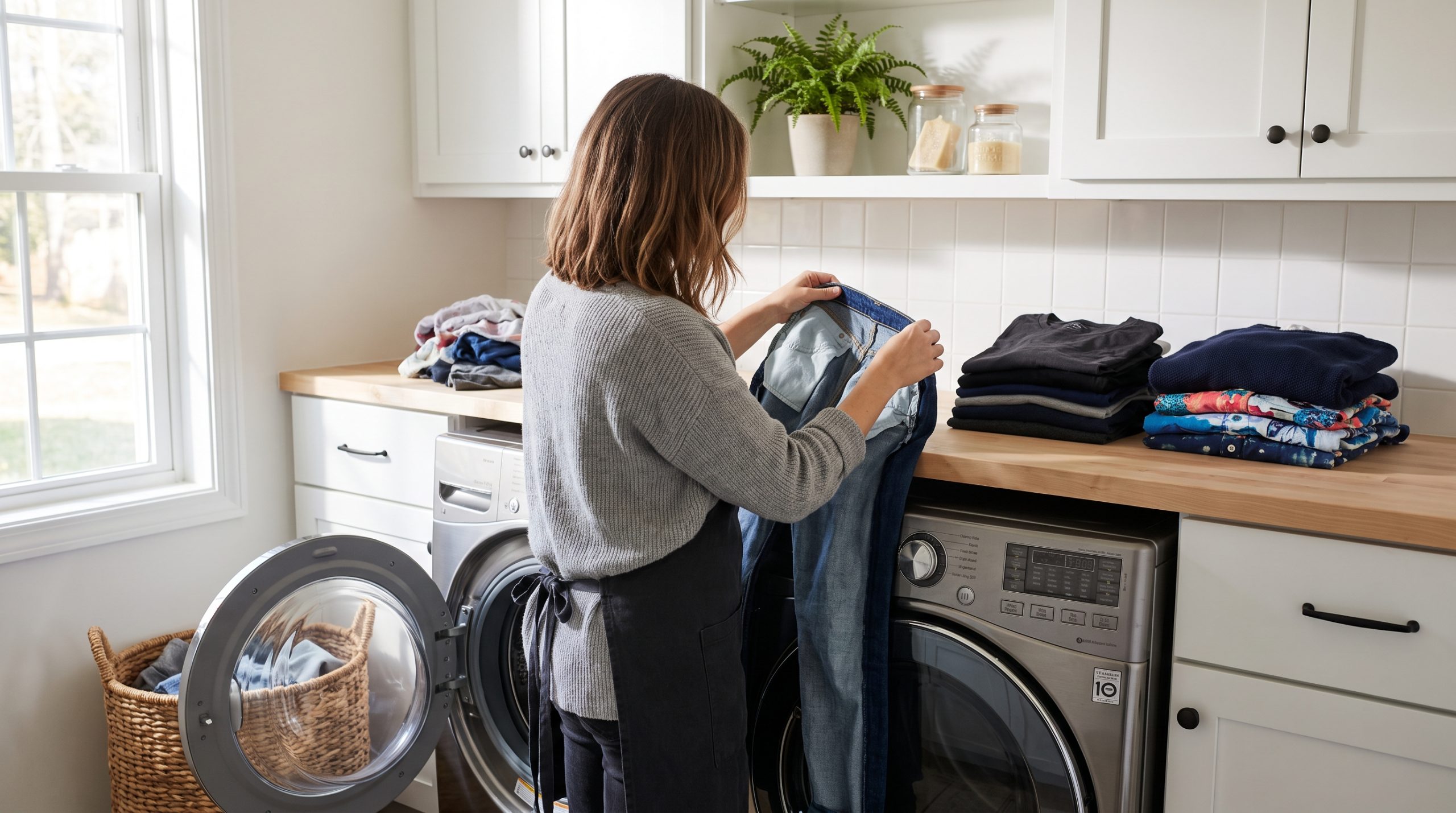
Turn Clothes Inside Out: This is crucial for dark jeans and graphic tees. It protects the outer surface from friction, reducing fading and preserving prints.
Wash in Cold Water: Cold water is much gentler on dyes than hot water, keeping colors vibrant for longer. It also saves energy!
Don’t Overload the Machine: Clothes need room to move. If the machine is packed too tight, detergent won’t distribute evenly, and the increased friction can damage fabrics.
By taking a few extra minutes to sort your laundry properly and adjusting your wash settings based on fabric type, you can dramatically extend the life of your clothes. And if you’d rather skip the hassle entirely, NanoClean’s experts sort, treat, and wash every item according to its specific needs!
Short on time?
Let us handle the laundry.
Free yourself from washing and folding. We pick it up, clean it, and deliver it fresh.
NO PURCHASE NECESSARY. Open to legal residents of the Austin, TX MSA (Travis, Williamson, Hays, Bastrop, and Caldwell counties), 18+. Ends the last day of each month at 11:59 PM CT. Void where prohibited. One winner per month will receive 4 weekly pickups (ARV $260). By entering, you agree to our Official Rules and Privacy Policy. See full rules Here.